
Investigation Report on Environmental Erosion of Power Fittings: These Hidden Dangers May Threaten Grid Safety
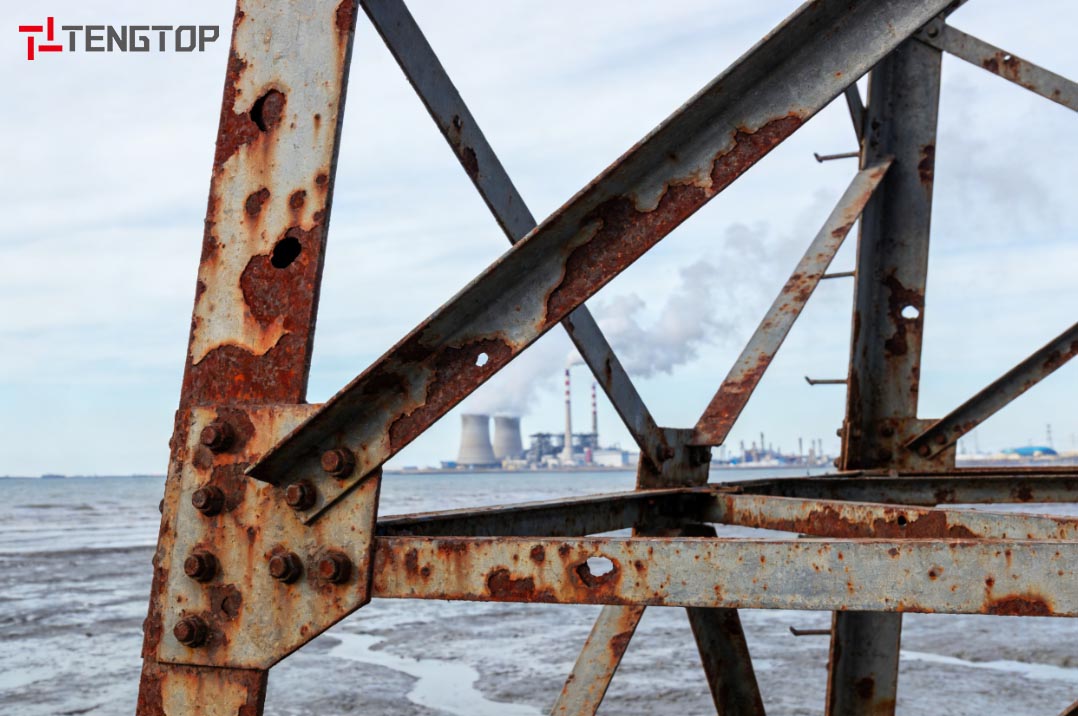
Beside a 220 kV transmission line tower in a coastal area, an inspection worker pulled his foot from the silvery-gray mud, a pungent industrial odor assaulting his senses—the leg of the steel-giant tower had corroded into a honeycomb state.
High-voltage transmission line fittings, the metal components that connect, secure, and protect conductors, silently bear the crucial task of carrying electrical current. In coastal regions, salt spray erosion causes dense corrosion near the ground on utility poles and towers; in some areas with sandy and windy environments, the contact points between OPGW cable downleads and suspension clamps suffer severe wear due to long-term wind-induced sway.
These seemingly sturdy metal parts are gradually “aging” in unseen environments.
01 Environmental Erosion
Transmission and distribution line fittings are exposed to all-weather, open environments, facing complex and variable natural and industrial erosion. For long-service lines, limited early manufacturing processes and electrochemical corrosion effects make fittings more vulnerable to damage during the aging process.
In coastal areas, high temperature, high humidity, and high salinity form a “triple threat.” Sulfur-containing compounds in the air within industrial pollution zones further accelerate the corrosion process, leading to premature rusting of fittings.
The contact points of fittings are weak spots for corrosion. Substandard conductive grease can age and solidify, creating micro-gaps that allow moisture, oxygen, and dust to infiltrate, forming a dirt closed loop, ultimately increasing contact resistance and causing overheating faults.
02 Wear Challenges
Besides corrosion, wear is another major environmental challenge for power fittings. Strong winds, sand particles, and long-term displacement are the primary external factors causing wear.
In specific sandy and windy environments, the downleads of 220 KV line OPGW cables and the hydraulic tension clamps on ground wires experience severe wear due to long-term wind-induced sway.
This type of wear typically manifests as plough-like grooves, serving as a critical warning sign of wear-induced failure. Improper installation, insufficient surface hardness of materials, and engineering design flaws further exacerbate wear issues.
For example, under aeolian vibration, the rubber pads of preformed armor rod-type spacer dampers can displace, causing relative movement among the preformed rods, holding claws, and the conductor, ultimately leading to strand breakage accidents.
03 Typical Cases
A 220 kV line commissioned in 1996 exhibited 16 instances of corrosion-induced strand breakage, unraveling, and bulging on its ACSR (Aluminum Conductor Steel Reinforced) conductor, exposing the corrosion risks of long-service lines.
 Coastal inspections revealed significant corrosion on towers near the shoreline, particularly severe salt spray erosion on tower legs.
In another case, a 220 kV line tower located in an area densely populated with high-pollution enterprises like coal chemical plants was surrounded and built up by sulfur-containing coal gangue. The tower legs were long-term immersed in wastewater, resulting in severe corrosion.
These typical cases reveal the diversity and environmental specificity of fitting corrosion, warning that differentiated protection measures must be adopted for different environments.
04 Response Strategies
Facing the dual erosion of power fittings by the environment, a comprehensive response system needs to be established. Environmental assessment and adaptation form the first line of defense against fitting corrosion and wear.
Power fitting manufacturers must strictly adhere to standards, ensuring material composition, galvanized layer quality, and thickness meet requirements. Construction personnel should inspect and apply anti-corrosion paint before installation, while operating units need to establish differentiated inspection cycles.
Regarding the design phase, pollution surveys and anti-corrosion design should be strengthened to reduce environmental risks at the source. Simultaneously, research into wear-resistant material fittings and the development of corresponding standards should be pursued to improve overall fitting durability.
Serial design can disperse wear points, delaying wear progression; reasonable sub-span design can prevent sub-span oscillation, reducing wear on spacer damper joints.
05 Tripartite Collaboration
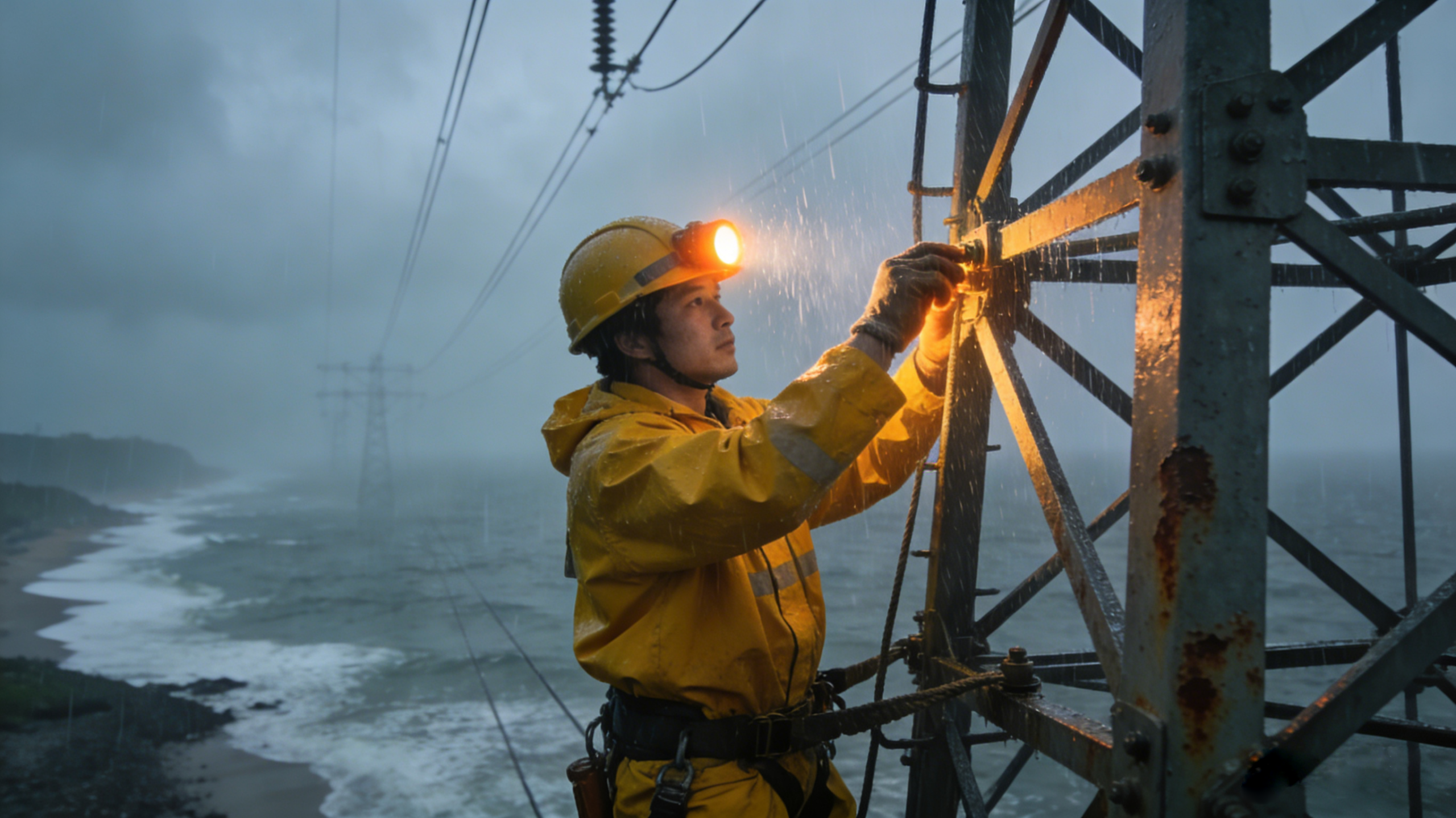
Addressing the environmental erosion of power fittings requires collaborative efforts from design institutes, construction contractors, and fitting manufacturers.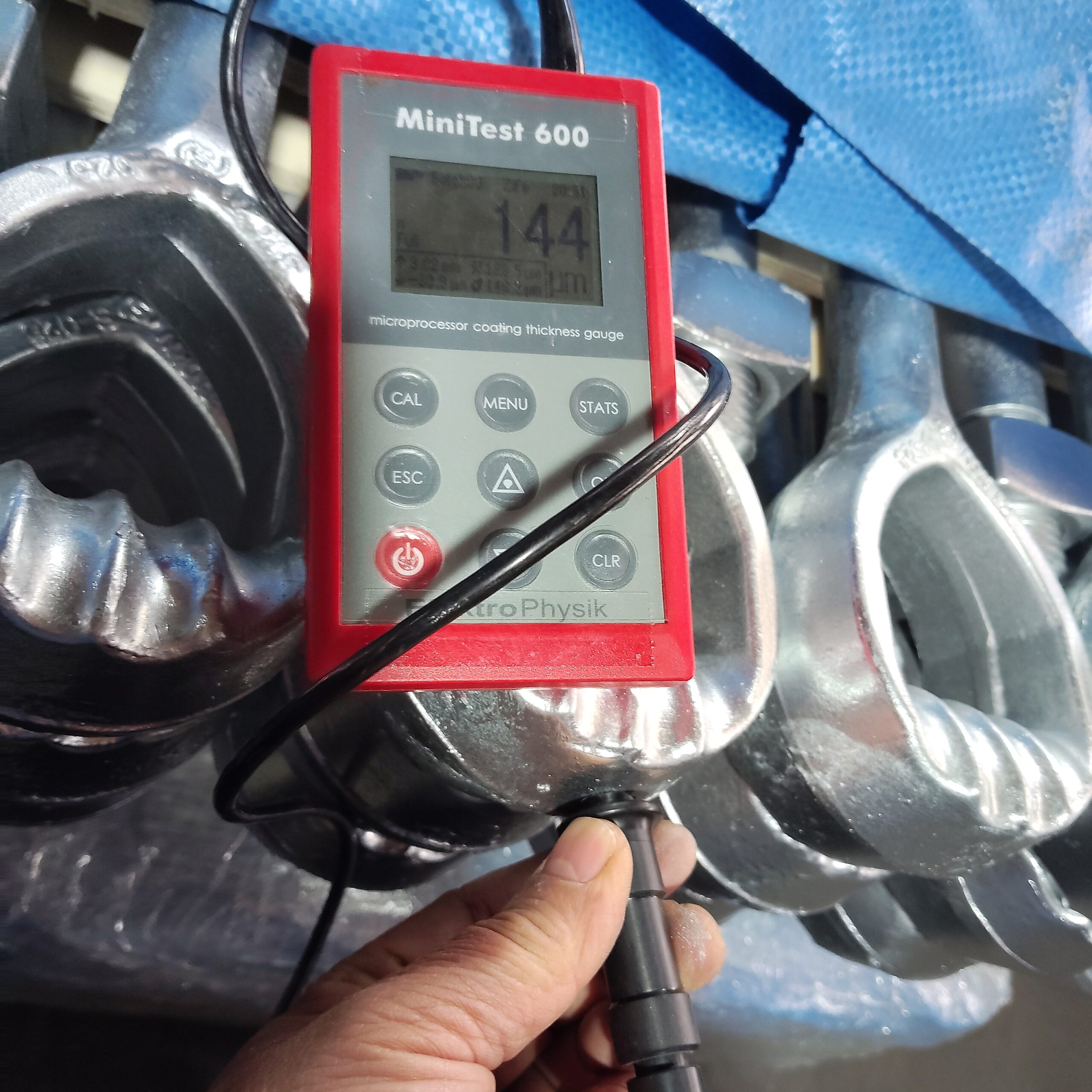
Design institutes should fully consider environmental characteristics along the route during the line planning stage, conduct pollution surveys, perform differentiated anti-corrosion and anti-wear design, and rationally plan line routing.
Construction contractors must strictly implement construction standards, ensure installation quality, add protective measures for fittings in special environmental zones, establish construction supervision links, and prevent accelerated fitting damage due to installation issues.
Fitting manufacturers need to develop specialized materials for different environments, improve product corrosion and wear resistance, strictly control quality, and ensure products leaving the factory meet standard requirements. For example, Tengtop Company’s power line fittings undergo rigorous screening in product design, material selection, and surface treatment to ensure that every product delivered can withstand harsh environmental challenges.
The three parties should establish an information-sharing mechanism, feeding field problems back to the design and production stages, forming a continuous improvement technical closed loop.
06 Future Challenges
As grid scales expand globally and service durations lengthen, the environmental adaptability issues of power fittings will become more prominent. Extreme environments like high altitude, strong wind-sand, and heavy industrial pollution impose higher demands on fittings.
Existing countermeasures still have limitations, such as difficulties in performing rust removal and anti-corrosion work on elevated power fittings, especially the lack of effective rust removal methods for fitting connection contact points.
The future requires the development of more advanced protection technologies and materials, such as self-healing coatings, intelligent monitoring systems, and environmentally adaptive fittings. These innovations will significantly enhance the environmental adaptability and service life of power fittings.
Concurrently, corrosion safety assessments for in-service lines should be strengthened, maintenance cycles optimized, and a preventive maintenance system established to avoid missing the optimal maintenance window.
As night falls and inspection workers end their day, the lights on the distant transmission lines remain on. These fittings hold their posts in wind and rain, enduring unseen environmental erosion.
Every meter of line features fittings “battling” their specific environment. In wind-sand and salt spray, these “tiny guardians” ensure the smooth flow of the power lifeline.